Embodying Spanishness in Latvian Ballet (1923- 1941): Exoticism, Identity, and Propaganda.
Preciado-Azanza, Gonzalo (Universidad de Zaragoza)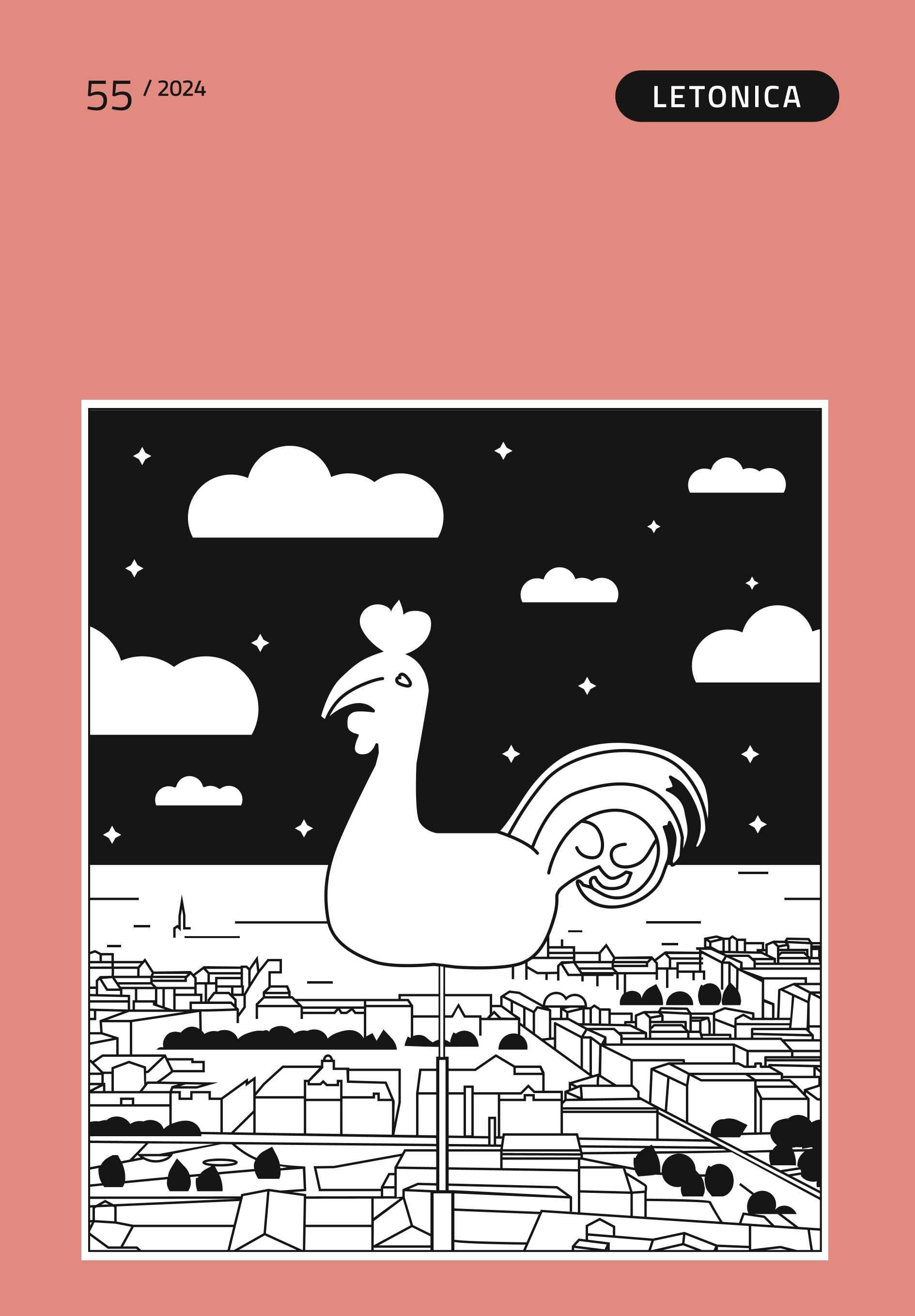
Resumen: Spanishness, the imagined perception of Spain, played a major role in interwar Latvian ballet. We located forty-five Spanish-themed ballets, divertissements, and concert miniatures performed between 1923 and 1941. Dancing bodies act as cross-cultural archives that enable us to comprehend the identities projected through inherited gestures. This article proposes that Spanishness, perceived as an exotic and distant Other, may have enhanced the identity of the prewar Republic of Latvia. We examined the ballets Paquita, Jota Aragonesa, Don Quixote, Boléro, and Laurencia through primary visual sources supported by Latvian press data. These case studies depicted a polyhedric image of Spain firmly based on Andalusian archetypes, intertwined with Orientalist motifs, and the jota of Aragon. Spanishness can be seen as an integral aspect of the multicultural manifestation of Latvian interwar society. The outbreak of the Spanish Civil War in 1936 marked a turning point that increased interest in this multilayered mirror. In late 1930s with increasing political and military pressure of the Soviet Union, Spanishness evolved into a soft power strategy and, ultimately, became a Soviet propaganda tool.
Idioma: Inglés
DOI: 10.35539/LTNC.2024.0055.08
Año: 2024
Publicado en: Letonica 55 (2024), 144-180
ISSN: 1407-3110
Factor impacto CITESCORE: 1.1 - Music (Q1) - History (Q1) - Literature and Literary Theory (Q1) - Visual Arts and Performing Arts (Q1) - Cultural Studies (Q2)
Factor impacto SCIMAGO: 0.226 - Literature and Literary Theory (Q1) - Visual Arts and Performing Arts (Q1) - History (Q1) - Music (Q2) - Cultural Studies (Q2)
Tipo y forma: Article (Published version)
Área (Departamento): Área Historia del Arte (Dpto. Historia del Arte)
Exportado de SIDERAL (2026-01-12-12:36:10)
Visitas y descargas
Idioma: Inglés
DOI: 10.35539/LTNC.2024.0055.08
Año: 2024
Publicado en: Letonica 55 (2024), 144-180
ISSN: 1407-3110
Factor impacto CITESCORE: 1.1 - Music (Q1) - History (Q1) - Literature and Literary Theory (Q1) - Visual Arts and Performing Arts (Q1) - Cultural Studies (Q2)
Factor impacto SCIMAGO: 0.226 - Literature and Literary Theory (Q1) - Visual Arts and Performing Arts (Q1) - History (Q1) - Music (Q2) - Cultural Studies (Q2)
Tipo y forma: Article (Published version)
Área (Departamento): Área Historia del Arte (Dpto. Historia del Arte)
Exportado de SIDERAL (2026-01-12-12:36:10)
Permalink:
Visitas y descargas
Este artículo se encuentra en las siguientes colecciones:
articulos > articulos-por-area > historia_del_arte
Notice créée le 2025-07-02, modifiée le 2026-01-12